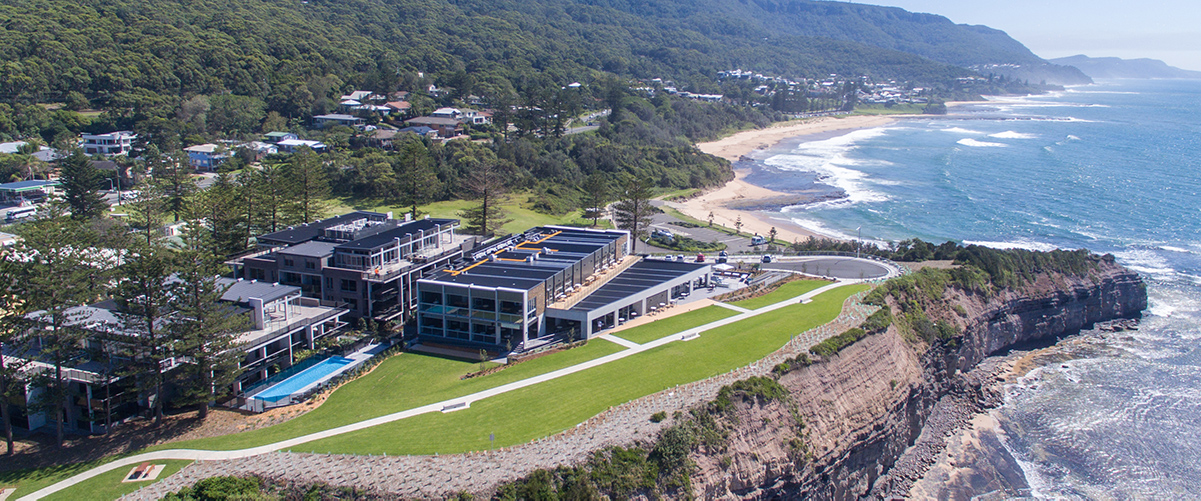


Planning your garden pool? Get expert advice on design, permits, installation, and maintenance for a perfect backyard oasis. Make informed choices.
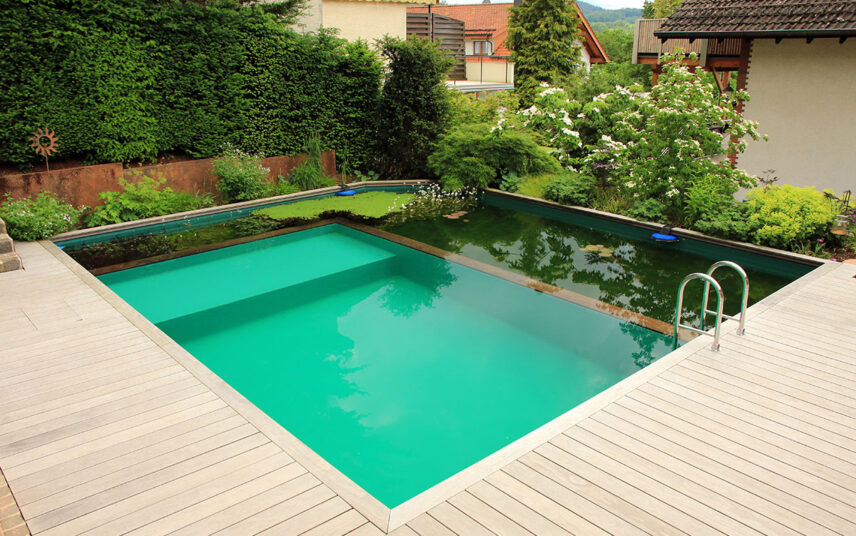
Embarking on a journey to build a garden pool is an exciting prospect, yet it demands meticulous planning and a clear understanding of the process. From my own experience, I’ve learned that a well-thought-out plan saves time, money, and prevents unexpected issues. This isn’t just about digging a hole; it’s about creating a safe, functional, and beautiful extension of your home. Approaching this project with realistic expectations and expert guidance is key to a successful outcome.
Overview
- Pool im Garten planen involves more than just aesthetics; it requires practical considerations from the start.
- Careful site selection, including sun exposure, wind patterns, and proximity to utilities, is crucial for pool enjoyment and efficiency.
- Budgeting must extend beyond construction costs to include excavation, decking, landscaping, safety features, and long-term maintenance.
- Understanding local zoning laws, building codes, and securing necessary permits is a non-negotiable step in any pool project.
- Professional consultation with reputable contractors, architects, and landscapers ensures quality construction and compliance.
- Selecting the right pool type, materials, and essential equipment (like filtration and heating) impacts both initial cost and ongoing operation.
- Prioritizing safety features, such as fencing, alarms, and covers, is paramount for protecting family and guests.
- Long-term maintenance, water chemistry management, and proper winterization are vital for the pool’s longevity and your enjoyment.
Pool im Garten planen: Erste Schritte und Standortwahl
When you decide to Pool im Garten planen, the very first phase should be about vision and practicality. What is the primary purpose of your pool? Is it for family recreation, lap swimming, or simply as a serene water feature? Your answer will heavily influence the size, depth, and overall design. Think about how the pool will integrate into your existing garden layout and daily life. This initial introspection guides all subsequent decisions.
Next comes site analysis, a critical step often underestimated. Observe your garden throughout the day and across seasons. Where does the sun hit longest? This spot is ideal for natural heating and enjoyment. How strong is the wind in different areas? Wind can increase evaporation and debris. Consider privacy from neighbors and access to utilities like water, electricity, and gas. Understanding soil conditions is also vital; poor drainage or unstable soil can significantly complicate construction and add costs. Different pool types, such as inground, above-ground, or smaller plunge pools, suit varying site conditions and budgets. Each option has specific requirements for installation and ground preparation.
Budgetierung und Genehmigungen für Ihr Gartenprojekt
A realistic budget is the backbone of any successful garden pool project. It extends far beyond the cost of the pool itself. You must account for excavation, the pool shell or liner, professional installation, decking or patio surrounding the pool, fencing, landscaping, and all essential equipment. Don’t forget ongoing costs like water, electricity for pumps and heating, chemicals, and potential seasonal services. Seeking multiple quotes from reputable builders provides a clearer financial picture. Be prepared for contingencies; unexpected issues, such as rocky soil, can add to expenses.
Securing the correct permits and understanding local regulations is non-negotiable. Building codes, zoning laws, and safety standards vary significantly, even within the US. Failing to obtain the right permits can lead to costly fines, construction delays, or even demolition orders. My advice is to engage with your local planning department early in the process. They can provide specific guidelines on setbacks, fencing requirements, electrical codes, and water drainage. A good contractor will also be familiar with these regulations and assist in the permit application process. This step, while bureaucratic, safeguards your investment and ensures compliance.
Pool im Garten planen: Design, Material und Bauphasen
The design phase for your garden oasis is where your vision truly takes shape. Consider the pool’s shape, size, and depth. Will it be a classic rectangle, a freeform lagoon, or a modern geometric design? Depth variations, like a shallow sun shelf or a deeper end for diving (if permitted and safe), cater to different uses. Material selection plays a major role in aesthetics, durability, and cost. Concrete pools (often gunite or shotcrete) offer design flexibility but have longer construction times. Fiberglass pools are pre-fabricated, leading to quicker installation, while vinyl liner pools are generally more affordable and offer a softer surface. Each material has distinct maintenance requirements and lifespan.
Essential equipment choices are equally important. Filtration systems keep the water clean, while efficient pumps circulate water effectively. Heating options, such as solar, electric heat pumps, or natural gas heaters, extend your swimming season but impact energy consumption. Lighting adds ambiance and safety for evening use. Furthermore, safety features are paramount. Secure fencing with self-latching gates, pool alarms, and sturdy pool covers are vital to prevent accidents, especially in homes with children or pets. The construction process itself involves several phases: excavation, plumbing and electrical rough-ins, shell installation, decking, equipment installation, and finally, water filling and commissioning. Throughout these phases, regular communication with your contractor is crucial to ensure the project stays on track and meets your expectations.
Langfristige Freude am Pool im Garten planen
Once your pool is complete, the focus shifts to maintenance and enjoying your investment for years to come. Routine maintenance is crucial for water quality, equipment longevity, and overall aesthetics. This includes regular testing and balancing of water chemistry (pH, chlorine, alkalinity), cleaning the pool (skimming, vacuuming, brushing walls), and emptying skimmer baskets. Proper filtration system operation and periodic backwashing are also part of this routine. Overlooking these simple steps can lead to costly issues like algae blooms, cloudy water, or equipment failure.
Seasonal preparation is another key aspect. If you live in a climate with freezing temperatures, winterizing your pool correctly protects it from damage. This involves draining pipes, lowering water levels, and covering the pool. Conversely, opening the pool in spring requires careful cleaning and re-balancing of the water. Energy efficiency should also be a consideration; using a pool cover, optimizing pump run times, and choosing efficient heating systems can significantly reduce operational costs. Thoughtful landscaping around the pool area creates a cohesive look, offering shade, privacy, and wind protection, further enhancing your oasis. By following these guidelines, your garden pool will remain a source of joy and relaxation for decades.