
The Daily Press – Your go-to for daily headlines

Proven Hundesport Agility Training Fun for your dog

Learn proven tips for exciting Hundesport Agility Training that builds trust and active fun with your dog. Expert advice for joyous sessions.

Sharing an agility course with your dog is an incredibly rewarding experience. It’s more than just teaching commands; it’s about building a language of trust, movement, and joy. From the moment you step onto the practice field, you’re embarking on a shared adventure that strengthens your bond and provides excellent physical and mental stimulation for both of you. This activity, popular across Europe and growing fast in the US, emphasizes teamwork and positive reinforcement.

Overview

  • Hundesport Agility Training is a dynamic dog sport focused on a handler directing a dog through an obstacle course.
  • The training prioritizes positive reinforcement, making it a fun and effective way to strengthen the dog-handler bond.
  • Basic obedience commands like “stay,” “come,” and “wait” form the essential foundation for agility work.
  • Starting slowly with simple obstacles and short sequences is crucial for building a dog’s confidence and understanding.
  • Consistent, short training sessions are more effective than long, infrequent ones, especially for puppies or new learners.
  • Safety is paramount; always ensure equipment is stable and warm-up/cool-down routines are followed.
  • Agility offers significant physical exercise and mental engagement, contributing to a dog’s overall well-being and happiness.

Getting Started with Hundesport Agility Training

Beginning your journey into agility with your dog is an exciting step. The most crucial element is creating a positive and encouraging environment. From my experience, dogs respond best to praise, treats, and toys. We always want them to associate the equipment and the activity with good feelings. Start with fundamental obedience. A reliable “stay,” “come,” and “wait” command will make a world of difference. These basics provide the control needed for safe and effective training.

Initially, focus on introducing single obstacles. A low jump or a tunnel laid flat are excellent starting points. Use a lure, whether it’s a favorite toy or a tasty treat, to guide your dog over or through. Celebrate every small success with enthusiasm! This early positive reinforcement lays a strong foundation for future learning. Remember, it’s about having fun together, not about perfection in the beginning stages.

Building Blocks of Hundesport Agility Training for Success

Once your dog is comfortable with individual obstacles, we can start combining them. This is where the “building blocks” truly come into play. I always advocate for short, happy training sessions. Ten to fifteen minutes of focused work, ending on a success, keeps the dog engaged and eager for the next session. We gradually link two obstacles, then three, creating small sequences. This method helps the dog understand the flow of the course without becoming overwhelmed.

Body language and verbal cues become incredibly important here. Your dog learns to read your movements, knowing if you want them to turn left or right after an obstacle. Practice handling drills without equipment initially, just guiding your dog around imaginary cones. This teaches them to stay focused on you, even when moving at speed. Consistency in your cues is key; use the same words and gestures every time.

Strengthening Your Bond Through Playful Agility

Agility isn’t just a sport; it’s a powerful tool for deepening the relationship with your canine companion. The shared goals, the successes, and even the occasional miscommunications on the course create a unique partnership. My own dogs have thrived on the challenge and interaction agility provides, truly cementing our connection. We learn to trust each other implicitly. Your dog learns you’re a reliable guide, and you learn to read their subtle cues.

When training, I always emphasize play. Whether it’s a quick game of tug after a successful weave pole run or a chase after a fast tunnel, making it fun reinforces their desire to participate. This joyful interaction reduces pressure and encourages a natural, enthusiastic performance. The laughter and shared excitement are, for me, the most significant rewards of the sport. It’s about being a team, moving together, and enjoying every moment.

Advanced Concepts in Hundesport Agility Training

As your dog gains confidence and proficiency, you’ll naturally progress to more complex challenges in Hundesport Agility Training. This includes learning advanced handling techniques, such as front crosses, rear crosses, and

Adhering to Tierschutzgesetz Vorschriften

Adhering to German animal welfare laws is vital. This article shares real-world insights on Tierschutzgesetz Vorschriften, ensuring ethical animal treatment.

Operating in Germany, especially when dealing with animals, means understanding and strictly following the nation’s robust animal welfare legislation. The Tierschutzgesetz Vorschriften are not merely guidelines; they represent a deep-seated ethical commitment to animal well-being. From personal pets to large-scale agricultural operations, these regulations dictate humane treatment across the board. My experience, having worked with various animal-related endeavors in Germany, confirms the stringent enforcement and the clear expectation for adherence. This legal framework reflects a societal consensus that animals deserve protection from suffering and harm.

Overview

  • Germany’s Tierschutzgesetz Vorschriften are foundational to ethical animal treatment, impacting all animal care contexts.
  • The law emphasizes the prevention of pain, suffering, and harm to animals, requiring proper housing, nutrition, and care.
  • Real-world application involves specific requirements for pet ownership, livestock farming, and animal testing.
  • Compliance demands continuous education and adaptation, often more detailed than regulations found in the US.
  • Veterinarians, local authorities, and animal welfare organizations play key roles in oversight and enforcement.
  • Understanding the spirit of the law, not just its letter, is crucial for demonstrating genuine animal welfare commitment.
  • Non-compliance carries significant penalties, underscoring the seriousness of these legal obligations.

The Foundational Principles of Tierschutzgesetz Vorschriften

Germany’s animal welfare act, or Tierschutzgesetz, forms the bedrock of animal protection within the country. Its core principle states that no one may cause an animal pain, suffering, or harm without a reasonable cause. This overarching dictate translates into detailed Tierschutzgesetz Vorschriften covering various aspects of animal life. For instance, it mandates appropriate housing conditions, species-specific nutrition, and adequate care for all animals under human responsibility. This includes regulations for keeping companion animals, such as dogs needing daily outdoor access, and specific space requirements for cats.

From my perspective, this legislative framework compels animal keepers to think proactively about animal needs, rather than reactively to problems. It pushes individuals and businesses alike to prioritize welfare. The law extends to detailed rules for animal transport, requiring certain conditions to minimize stress and injury. Even seemingly minor details, like the duration an animal can be transported without a break, are clearly stipulated. These foundational rules ensure a baseline of ethical treatment for every creature within German borders, whether they are pets, farm animals, or animals used in research. The spirit of the law aims to prevent avoidable suffering.

Practical Steps for Responsible Animal Guardianship

Beyond the legal texts, responsible animal guardianship in Germany demands a proactive approach and a genuine concern for animal welfare. It involves consistently providing proper nutrition, appropriate housing, and necessary veterinary care. For companion animal owners, this means more than just feeding a pet; it includes understanding their species-specific behavioral needs. A dog, for example, requires regular exercise, mental stimulation, and socialization, aspects implicitly supported by animal welfare laws. Similarly, cat owners must provide stimulating environments and opportunities for natural behaviors.

For those involved with livestock or working animals, the responsibility scales up significantly. This includes ensuring access to fresh water, suitable feed, and protection from adverse weather. It also means handling animals in a way that minimizes fear and stress during routine procedures or transport. The principle of avoiding suffering extends to the end of an animal’s life, requiring humane methods for euthanasia. My experience has shown that local veterinary offices and animal welfare associations are excellent resources. They provide guidance, support, and sometimes even training to help guardians meet these high standards effectively.

Operational Adherence to Tierschutzgesetz Vorschriften in Animal Facilities

For businesses and organizations dealing with animals, operational adherence to Tierschutzgesetz Vorschriften is a continuous process. This applies to breeders, pet shops, animal shelters, laboratories, and agricultural enterprises. Each sector faces specific requirements tailored to the animals involved and the nature of their interaction. For instance, breeding operations must ensure sufficient space, appropriate social groupings, and specific protocols for caring for young animals. Agricultural facilities have strict guidelines regarding stable design, feeding systems, and disease prevention to uphold animal health and well-being.

My work has involved inspecting facilities to ensure these standards are met. This often means reviewing documentation, observing animal behavior, and checking environmental conditions. Non-compliance can

Applied Industrial Image Processing solutions

Applied Industrielle Bildverarbeitung solutions streamline quality control and automation. Expert insights for industrial efficiency and defect detection.

In the manufacturing world, precision and efficiency are paramount. The application of sophisticated vision systems has become indispensable. From automotive assembly lines to pharmaceutical packaging, image processing provides the eyes that human operators simply cannot replicate consistently. My experience spans various industries, observing how these technologies fundamentally reshape production processes. We implement systems that not only detect flaws but also guide robotic actions and ensure product integrity.

Overview

  • Industrielle Bildverarbeitung offers critical solutions for automated quality control in manufacturing.
  • These systems perform tasks like defect detection, dimensional gauging, and part identification with high accuracy.
  • Successful implementation requires careful system design, lighting optimization, and robust algorithm development.
  • Challenges include dealing with variable lighting, surface textures, and integrating with existing factory infrastructure.
  • Advanced techniques such as deep learning are revolutionizing traditional image processing capabilities.
  • Benefits extend beyond quality, impacting throughput, reducing waste, and improving worker safety.
  • The technology is crucial for maintaining competitive edge in a global market, from the US to Europe.

Core Principles of Industrielle Bildverarbeitung

At its heart, Industrielle Bildverarbeitung involves capturing and analyzing digital images to make decisions or extract information. This begins with selecting the right camera, lens, and illumination. Lighting is often the most critical component, revealing features or defects that would otherwise be invisible. A well-lit image simplifies subsequent analysis significantly. Without proper illumination, even the most advanced algorithms struggle.

Once an image is acquired, processing algorithms come into play. These algorithms might perform edge detection, pattern matching, or color analysis. For instance, in an assembly verification task, the system might match a template of a correctly assembled part to each item coming down the line. Deviations trigger an alert or rejection. In my work, we prioritize rugged, reliable components built for harsh industrial environments. This ensures longevity and consistent performance.

Overcoming Challenges in Industrial Imaging

Implementing image processing solutions is not without its hurdles. One common challenge is environmental variability. Dust, vibrations, and inconsistent ambient lighting can degrade system performance. We often employ enclosed systems or specialized lighting techniques to mitigate these factors. Another complexity lies in the sheer variety of product surfaces. Highly reflective parts, for example, require diffuse lighting to prevent glare.

Integrating vision systems with existing production machinery also demands careful planning. This includes mechanical mounting, electrical interfacing, and software communication protocols. Many older systems use proprietary communication methods, making seamless integration more difficult. We focus on open standards whenever possible. Data management and cybersecurity are also growing concerns as these systems become more networked. Ensuring data integrity and system security is paramount for reliable operations.

Practical Applications of Industrielle Bildverarbeitung

The versatility of Industrielle Bildverarbeitung is truly impressive. In automotive manufacturing, it inspects paint finishes for imperfections and verifies component placement. For pharmaceutical companies, it ensures correct label application and verifies dosage integrity. In the food and beverage industry, vision systems detect foreign objects and ensure proper packaging seals.

One common application is dimensional inspection. High-resolution cameras and precise calibration allow systems to measure part dimensions with micron-level accuracy. This is vital for components requiring tight tolerances. Another key area is defect detection. From scratches on a smartphone screen to cracks in a metal casting, image processing identifies flaws rapidly and consistently. We’ve deployed systems that reject faulty items faster than any human operator could manage. This directly impacts product quality and reduces recalls.

Implementing Industrielle Bildverarbeitung in Production

Successful implementation of Industrielle Bildverarbeitung requires a structured approach. It starts with a thorough understanding of the specific application and its requirements. What needs to be inspected? What are the acceptable tolerances? What is the desired throughput? These questions guide the selection of hardware and software. Developing robust algorithms is key. They must perform consistently under varying conditions without generating false positives or negatives.

Testing and validation are critical steps. Systems undergo rigorous testing with a diverse sample set of both good and defective parts. This ensures reliability before deployment to the factory floor. Training operators and maintenance staff is also essential for long-term success. Ongoing calibration and performance monitoring maintain accuracy over time. The goal is to create a system that is not

Expert Unternehmenskommunikation Intern Strategy

Empower your workforce with expert Unternehmenskommunikation Intern strategies. Foster alignment, engagement, and productivity effectively.

Effective internal communication is the bedrock of organizational success. From my years of experience leading communication functions across various industries, I’ve seen firsthand how strategic Unternehmenskommunikation Intern shapes culture, drives performance, and retains talent. It’s more than just sending emails; it’s about creating a coherent narrative that resonates with every employee, from the executive suite to the frontline teams. Without a well-thought-out internal communication plan, companies risk disengagement, misinformation, and ultimately, a breakdown in operational efficiency.

Overview

  • Unternehmenskommunikation Intern is crucial for fostering a cohesive and productive work environment.
  • Strategic planning involves understanding employee needs, setting clear objectives, and aligning messages with business goals.
  • Effective channels range from digital platforms to face-to-face interactions, requiring a multi-modal approach.
  • Measurement and feedback loops are essential for continuously refining internal communication strategies.
  • Leadership commitment is paramount; leaders must actively participate and champion internal messages.
  • Addressing challenges like information overload or cultural resistance demands adaptable and responsive communication tactics.
  • A strong internal communication framework supports employee engagement, organizational resilience, and talent retention.

Strategic Foundations for Unternehmenskommunikation Intern

Building a robust internal communication framework starts with strategy. My approach always begins with deeply understanding the organization’s mission, values, and strategic priorities. What are the key messages we need employees to not only receive but internalize and act upon? This understanding informs everything else. We look at employee demographics, their preferred communication styles, and existing touchpoints. Are our employees primarily desk-based or mobile? Do they prefer quick updates or detailed reports? For instance, a manufacturing company in the US might prioritize factory floor huddles and digital screens over lengthy email newsletters.

The strategy must define clear objectives. Is the goal to improve employee engagement, facilitate change management, or boost productivity? Each objective requires a tailored communication plan. For example, during a period of significant organizational change, transparency and empathy become paramount. We design communication flows that provide context, address concerns, and explain the “why” behind decisions. This proactive approach helps mitigate rumors and builds trust, even when news is challenging. Setting these foundational elements correctly ensures that every communication effort serves a defined purpose, rather than being a series of ad-hoc messages.

Operationalizing Unternehmenskommunikation Intern Initiatives

Once the strategy is clear, the focus shifts to execution. This involves selecting appropriate channels and crafting compelling content. We employ a mix of digital and traditional tools. Digital channels might include intranet portals, collaboration platforms like Slack or Microsoft Teams, internal social media, and targeted email campaigns. Traditional methods can encompass town halls, team meetings, print newsletters, and even internal events. The key is to create an integrated ecosystem where messages are reinforced across different platforms, catering to varied employee preferences and ensuring broad reach.

From my practical experience, content quality is just as important as channel selection. Messages must be clear, concise, and relevant. We often use storytelling to make information more memorable and relatable. Highlighting employee successes, sharing departmental achievements, or featuring leadership insights can humanize corporate messages. Furthermore, we empower managers to be effective communicators themselves, providing them with toolkits, talking points, and training. Managers are often the most trusted source of information for their teams. Equipping them helps cascade messages authentically and consistently throughout the organization, extending the reach of central Unterneuenkommunikation Intern efforts.

Measuring Impact and Evolving Internal Communication Strategies

Effective internal communication isn’t a one-off effort; it requires continuous monitoring and adaptation. We establish clear metrics to gauge the impact of our initiatives. This includes tracking email open rates, intranet engagement, participation in town halls, and feedback from employee surveys. Beyond quantitative data, qualitative insights gathered through focus groups and one-on-one conversations are invaluable. Understanding how employees feel about the communication they receive helps us identify areas for improvement and fine-tune our approach.

For example, a low engagement rate on an intranet news item might suggest the content isn’t relevant, or the platform isn’t user-friendly. Conversely, high participation in a Q&A session after a leadership update indicates genuine interest and a desire for dialogue. This feedback loop is critical. It allows us to pivot strategies, adjust channels, and refine our messaging in real-time. My team constantly evaluates what’s working

Sichtschutz Garten modern Expert Solutions for Privacy

Achieve modern garden privacy with expert Sichtschutz Garten modern solutions. Practical tips for contemporary design and effective visual screening.

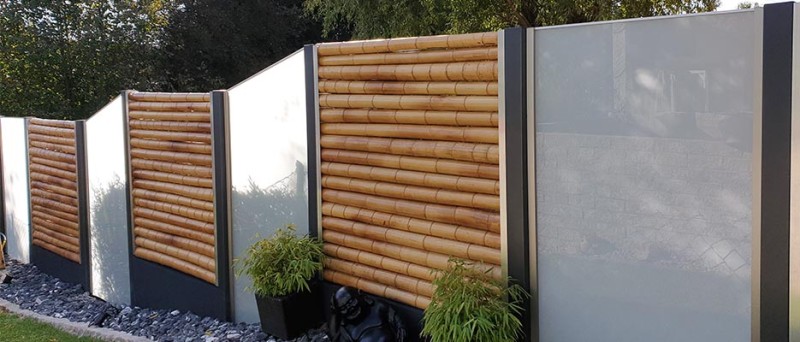
Creating a private sanctuary in your garden is increasingly important in today’s world. Many homeowners seek to balance open-air enjoyment with a sense of seclusion. From my experience in landscape design, the demand for effective yet aesthetically pleasing privacy solutions is constant. It’s not just about blocking views; it’s about shaping your outdoor living space.

Overview

  • Modern garden privacy involves more than just fences; it integrates design and functionality.
  • Material selection is critical for durability, aesthetics, and overall garden style.
  • Successful privacy screens blend seamlessly with existing garden elements.
  • Proper installation ensures stability and longevity, avoiding common pitfalls.
  • Regular maintenance extends the life and appearance of your privacy solution.
  • Consider various types like modular panels, living walls, or strategically placed planting.
  • Planning is essential, assessing sun exposure, wind patterns, and desired privacy levels.

Selecting the Right Materials for Sichtschutz Garten modern

When planning a Sichtschutz Garten modern, material choice dictates both the look and the longevity. Wood, metal, composite, and natural elements each offer unique benefits. For instance, hardwoods like Ipe or thermo-treated ash provide a warm, natural aesthetic while resisting weather. They require sealing but offer timeless appeal.

Metal options, particularly aluminum or steel, fit a sleek, minimalist style perfectly. Laser-cut panels can introduce intricate patterns, casting beautiful shadows. These are low maintenance and exceptionally durable. Composites, a blend of wood fibers and plastic, mimic wood without the upkeep. They resist rot and pests, making them a practical choice for many US homes seeking a contemporary touch. Finally, dense planting using bamboo, hornbeam, or specific conifers offers a softer, living privacy screen, though growth takes time.

Integrating Privacy with Garden Aesthetics

Effective garden privacy doesn’t mean building a fortress. Instead, it involves thoughtfully integrating barriers that complement your garden’s design. A well-designed privacy screen should feel like an intentional part of the landscape. This could mean matching the screen’s color to your house trim or garden furniture. Using varying heights and textures can break up a monotonous line.

Consider combining different elements. A slatted timber screen might back a raised planting bed, or a low stone wall could support a row of tall grasses. This layered approach adds depth and visual interest. Lighting also plays a crucial role. Up-lighting a textured screen or backlighting a translucent panel creates a dramatic effect after dark. The goal is a cohesive outdoor area where privacy feels natural, not forced.

Practical Installation Tips for Sichtschutz Garten modern

Proper installation is paramount for any Sichtschutz Garten modern. Rushed or incorrect setup can lead to instability, damage, and costly repairs later. First, always check local building codes and property line regulations. Many municipalities have height restrictions for fences and screens. Digging precise post holes to the correct depth is essential, typically one-third of the post’s height below ground level. Using concrete for stability is standard practice, ensuring the posts are plumb.

For panel systems, accurate measurements prevent gaps or misalignments. Pre-drilling screw holes helps prevent wood splitting. If working with modular systems, follow manufacturer instructions meticulously. For living screens, prepare the soil adequately and ensure proper drainage. Consider wind loads in your area; stronger winds may require heavier-duty posts and deeper foundations. These steps ensure your Sichtschutz Garten modern withstands the elements for years.

Maintenance and Longevity of Sichtschutz Garten modern Solutions

Maintaining your Sichtschutz Garten modern is key to preserving its appearance and functionality. Different materials demand specific care. Wooden screens benefit from annual cleaning and periodic sealing or staining to protect against UV damage and moisture. This prevents graying and cracking. Metal screens, particularly powder-coated aluminum, usually only need occasional washing with soap and water to remove dirt and grime. Check for any scratches that might compromise the coating.

Composite materials are largely maintenance-free; a simple wash is typically sufficient. Living screens, like hedges or bamboo, require regular pruning to maintain their shape and density. Check for pests or diseases. Inspect all screens annually for loose fasteners, rotting posts, or any structural weakness. Addressing small issues promptly prevents larger problems. Diligent care ensures your modern garden privacy solution remains attractive and effective.

China renewable energy storage solutions expertise

China’s rapid ascent in the clean energy sector is undeniable, particularly in its capacity to deliver china renewable energy storage solutions. My experience in this field, observing market dynamics and technological shifts, reveals a sophisticated ecosystem driving significant global change. This isn’t just about manufacturing; it’s about a concerted strategy, from R&D to policy support, that has positioned China as a pivotal player in the energy transition. The scale and speed of deployment are remarkable, shaping how nations approach grid stability and renewable integration worldwide.

Overview

  • China stands as a global frontrunner in the development and deployment of energy storage technologies.
  • The nation’s expertise spans a diverse range of solutions, from advanced lithium-ion batteries to large-scale pumped hydro storage.
  • Strong governmental policies and investment have fueled rapid growth in manufacturing capacity and innovation.
  • China’s supply chain dominance significantly impacts global markets for battery components and finished storage systems.
  • Collaboration and competition with countries like the US define the international landscape for these critical technologies.
  • Ongoing research targets next-generation chemistries and improved long-duration storage capabilities.
  • These storage solutions are fundamental to China’s ambitious decarbonization goals and grid modernization efforts.

Advancements in china renewable energy storage solutions

The evolution of china renewable energy storage solutions reflects a strategic, long-term vision. We’ve witnessed a massive scaling of lithium-ion battery production, initially driven by electric vehicles, now extending vigorously into stationary grid applications. This industrial base has fostered cost reductions and performance improvements that are unparalleled. Beyond batteries, pumped hydro storage, a mature technology, is being implemented at a scale rarely seen elsewhere, providing essential grid balancing services.

My observations indicate a clear focus on integrating these diverse storage assets into a smarter grid. Digitalization plays a key role, optimizing energy flow and maximizing the value of renewable generation. Utility-scale projects now routinely incorporate battery energy storage systems (BESS) alongside wind and solar farms. This proactive approach ensures grid stability even with high penetrations of intermittent renewables. We also see significant activity in distributed storage for commercial and industrial applications, offering flexibility and resilience at the local level. These deployments are not merely experiments; they are critical infrastructure supporting national energy security and environmental objectives. The sheer volume of deployed capacity annually underscores the operational expertise gained.

Key Technologies Driving Energy Storage

China’s leadership in energy storage stems from a multifaceted approach to technology development and deployment. Lithium-ion batteries, particularly LFP (lithium iron phosphate) chemistry, dominate the market due to their safety, longevity, and cost-effectiveness. This focus has allowed for immense scale in manufacturing, pushing innovation in cell design and system integration. Companies consistently refine battery management systems (BMS) to optimize performance and extend operational life across various climates and use cases.

Beyond batteries, significant investment targets alternative storage technologies. Compressed air energy storage (CAES) and flow batteries are gaining traction for long-duration applications where lithium-ion might be less economical. Thermal energy storage is another area of active research, particularly for industrial heat processes and concentrated solar power plants. These diverse technologies ensure a resilient and adaptable energy storage portfolio, not overly reliant on a single solution. The engineering expertise in deploying these complex systems, from conceptual design to operational commissioning, is a core strength. Their commitment to exploring beyond existing paradigms positions them well for future energy demands.

Global Impact and Collaboration on china renewable energy storage solutions

The influence of china renewable energy storage solutions extends far beyond its borders. China’s manufacturing prowess has made battery components and finished systems globally accessible, driving down costs for energy storage projects everywhere. This has significantly accelerated the adoption of renewables in many nations. We see Chinese companies establishing footprints in international markets, providing turnkey storage solutions and often forming partnerships with local utilities and developers.

While this expansion presents opportunities, it also creates complex geopolitical dynamics. For instance, the US and European nations are actively working to build out their domestic supply chains for battery manufacturing, aiming to reduce reliance on foreign components. However, the foundational expertise and scale that China offers remain a critical factor in global energy transitions. My view is that true progress in global decarbonization requires a blend of collaboration and healthy competition. China’s contributions to grid-scale storage, particularly

Effective Industrial Waste Recycling strategies

Optimizing Industrieabfall Recycling is crucial for sustainability. Learn real-world strategies for effective waste management and resource recovery.

Effective industrial waste management is no longer optional; it is a business imperative. My experience working with manufacturing plants, chemical facilities, and processing centers has shown that proactive Industrieabfall Recycling yields significant economic and environmental benefits. It involves more than just sorting waste; it requires strategic planning, investment in appropriate technologies, and a deep understanding of regulatory landscapes. The goal is to view waste as a potential resource, minimizing landfill reliance and supporting a circular economy.

Overview

  • Industrieabfall Recycling requires a strategic approach, moving beyond simple disposal to resource recovery.
  • Initial waste audits and characterization are fundamental for identifying recyclable materials and developing effective plans.
  • Key strategies include robust segregation, advanced processing technologies, and fostering internal commitment to recycling goals.
  • Compliance with regulations, such as those from the EPA in the US, is critical for avoiding penalties and ensuring responsible waste handling.
  • Technological advancements, including automation and specialized material recovery, continuously improve recycling efficiency and economic viability.
  • Successful implementation drives cost savings, reduces environmental impact, and enhances corporate reputation.

Strategizing for Effective Industrieabfall Recycling

Developing a robust plan for Industrieabfall Recycling starts with thorough analysis. Every industrial facility generates unique waste streams. A detailed waste audit is the first critical step. This involves identifying the types, quantities, and sources of all waste produced. Characterizing hazardous versus non-hazardous materials is vital for compliance and safety. For example, a metal fabrication plant will have different waste profiles than a food processing facility.

Once waste streams are understood, the focus shifts to waste minimization and segregation at the source. Preventing waste generation is always preferable. This might involve process optimization or material substitution. Effective segregation at the point of generation prevents contamination and increases the value of recyclable materials. Clear labeling, color-coded bins, and employee training are essential components of this strategy. Without proper segregation, valuable resources often become unrecyclable mixed waste.

Implementing Robust Waste Stream Management

Successful waste stream management depends heavily on internal procedures and external partnerships. Establishing clear internal protocols for waste handling ensures consistency. This includes defined roles and responsibilities for all staff involved in waste collection and segregation. Regular training sessions help maintain awareness and compliance. Facility managers must empower teams to identify opportunities for waste reduction and material recovery.

Partnering with reputable waste management companies is equally important. These partners offer specialized knowledge in handling diverse industrial materials, including complex or hazardous wastes. They can provide appropriate collection containers, transportation, and processing facilities. Evaluating potential partners based on their track record, permits, and recycling capabilities is crucial. This collaboration ensures that collected materials are genuinely recycled or properly processed, rather than just landfilled.

Technological Innovation in Industrieabfall Recycling

Technological advancements are continuously Industrieabfall Recycling. Modern sorting equipment, such as optical sorters and magnetic separators, efficiently separate mixed materials. These technologies increase recovery rates and purity, making recycled materials more valuable for reprocessing. Automation plays a significant role in reducing labor costs and improving safety in waste handling facilities. From shredders and compactors to advanced chemical processing, technology drives efficiency.

For specific industries, specialized recycling technologies are emerging. For instance, in plastics manufacturing, advanced pyrolysis and gasification can break down mixed plastic waste into its base chemical components. This allows for closed-loop recycling, where materials are reused indefinitely. Battery recycling facilities use complex processes to recover valuable metals like lithium and cobalt. Embracing these innovations can significantly Industrieabfall Recycling efforts and yield greater resource recovery.

Regulatory Frameworks and Sustainable Industrieabfall Recycling

Operating within strict regulatory frameworks is non-negotiable for Industrieabfall Recycling. In the US, the Environmental Protection Agency (EPA) sets standards for hazardous and non-hazardous waste management. State and local regulations further define specific requirements, permits, and reporting obligations. Industrial operations must understand and adhere to these rules to avoid significant fines and legal issues. Proper documentation of waste generation, transportation, and disposal is paramount.

Beyond compliance, many industries are adopting sustainable practices voluntarily. This often involves pursuing certifications like ISO 14001, which demonstrates a commitment to environmental management. Implementing extended producer responsibility (EPR) programs is another approach, where manufacturers take responsibility for the entire lifecycle of

My Trusted Best Rooftop Bars Worldwide Expert List

My personal list of the Beste Rooftop Bars weltweit, based on years of travel and meticulous reviews. Find unparalleled views, unique cocktails, and memorable experiences across continents.

Years of travel have given me a unique perspective on the world’s finest venues. From bustling metropolises to serene coastal cities, I’ve sought out locations that offer more than just a drink; they provide an experience, a memory etched against a breathtaking skyline. This collection represents my trusted selection of establishments that consistently deliver exceptional quality, service, and, of course, unparalleled views.

Overview:

  • This expert list details premier rooftop bars globally, curated from extensive personal travel and firsthand visits.
  • Bars are evaluated based on view quality, drink craftsmanship, service excellence, and overall ambiance.
  • Key regions covered include Asia, Europe, and North America, featuring iconic cityscapes and unique settings.
  • Specific examples highlight establishments known for unique experiences, high standards, and a memorable atmosphere.
  • The selection criteria prioritize authenticity, innovative offerings, and a consistent sense of premium hospitality.
  • Recommendations cater to travelers seeking stunning urban and scenic vistas complemented by exceptional service and distinct beverages.
  • My assessments draw from a personal, experienced perspective, providing reliable insights for discerning travelers.

Experiencing the **Beste Rooftop Bars weltweit**: Asia’s Gems

Asia consistently impresses with its commitment to vertical luxury. In Singapore, CE LA VI atop Marina Bay Sands offers a panoramic spectacle. The infinity pool deck creates an illusion of swimming towards the city lights. Their cocktail program is sophisticated, blending local ingredients with classic techniques. I often recommend their signature Singapore Sling variant; it is truly exceptional.

Hong Kong’s Ozone, at the Ritz-Carlton, holds the title of one of the highest bars globally. The sheer height provides a dizzying perspective of Victoria Harbour. Even on a hazy evening, the atmosphere inside, with its sleek design, is captivating. Service here is impeccable, and the curated music perfectly complements the futuristic setting.

Another notable mention is Vertigo & Moon Bar in Bangkok. It presents an open-air, 360-degree view that sweeps across the Chao Phraya River and city skyline. The feeling of being suspended high above the bustling streets is exhilarating. The bar’s focus on fresh, vibrant ingredients for its drinks is evident, making each sip a refreshing counterpart to the tropical heat. These venues truly represent some of the Beste Rooftop Bars weltweit.

European Heights and Hidden Views

Europe offers a different charm, often blending historical architecture with modern hospitality. In London, Frank’s Cafe provides a vibrant, artistic setting atop a multi-story car park in Peckham. It’s seasonal, less about luxury, more about community and creative energy, with fantastic views of the city’s diverse skyline. The casual, relaxed atmosphere is a welcome change from more formal establishments.

Barcelona’s Hotel 1898 La Isabela offers a refined experience overlooking La Rambla. While not reaching extreme heights, its central location provides an intimate view of the Gothic Quarter and the bustling street below. The quality of their tapas and Cava selections makes it a perfect spot for an afternoon or early evening stop.

Paris, of course, has its own iconic spots. Le Perchoir Marais, located on the BHV department store, provides stunning views of the Hôtel de Ville and Eiffel Tower. Its often lively ambiance, especially at sunset, creates a quintessential Parisian experience. These European venues, while diverse, consistently offer memorable vantage points and exceptional service.

North American Icons: **Beste Rooftop Bars weltweit** in the US and Beyond

North America boasts numerous impressive rooftop bars, many defining urban luxury. In New York City, The Press Lounge offers breathtaking views of the Hudson River and Manhattan skyline. Its sophisticated design and well-crafted cocktail menu provide an escape from the city’s relentless pace. I appreciate their attention to detail, from the comfortable seating to the thoughtfully curated drink list. This is a must-visit for anyone seeking premier views in the US.

Miami’s Sugar, at the EAST Hotel, is a lush, vibrant garden in the sky. It provides a unique, almost tropical, perspective of Brickell and Biscayne Bay. The Asian-inspired small plates and inventive cocktails perfectly complement the relaxed, stylish setting. It is one of the more unique offerings among the Beste Rooftop Bars weltweit.

Moving west, Los Angeles has Perch, a

Maintaining Industrial Cooling Water Systems

Maintain efficient Kühlwassersysteme Industrie with expert insights. Learn about critical water treatment, monitoring, and problem-solving strategies.

Industrial cooling water systems are vital for countless manufacturing processes, power generation, and HVAC applications. Their continuous operation directly impacts production efficiency, equipment lifespan, and overall operational costs. Neglecting these systems can lead to costly downtime, premature equipment failure, and significant energy waste. Proper maintenance, therefore, is not merely a task but a strategic imperative. It requires a deep understanding of water chemistry, system mechanics, and proactive problem-solving based on practical experience.

Overview

  • Effective maintenance of Kühlwassersysteme Industrie is critical for operational efficiency and equipment longevity.
  • Water treatment programs prevent common issues like scale, corrosion, and biological fouling.
  • Routine monitoring of key water parameters, alongside physical inspections, is essential for early problem detection.
  • Chemical management strategies must be tailored to specific system needs and comply with safety standards.
  • Proactive troubleshooting addresses issues like reduced heat transfer or equipment malfunctions before they escalate.
  • Regular cleaning, repairs, and system optimizations contribute to sustained performance and energy savings.

Importance of Water Treatment for Kühlwassersysteme Industrie

Water treatment is the cornerstone of effective maintenance for Kühlwassersysteme Industrie. Untreated or improperly treated water can cause a cascade of problems. Scale formation, often from hardness minerals like calcium and magnesium, reduces heat transfer efficiency in heat exchangers. This forces the system to work harder, consuming more energy and potentially leading to overheating. From my experience on various sites, a 1mm layer of scale can increase energy consumption by up to 10%.

Corrosion is another major concern. Dissolved oxygen and other contaminants can cause pitting and general degradation of metallic components. This weakens pipes, pumps, and heat exchanger tubes, leading to leaks and eventual system failure. Microbiological growth, including bacteria, algae, and fungi, forms biofilms. These biofilms further impede heat transfer, consume corrosion inhibitors, and create ideal environments for microbiologically influenced corrosion (MIC). Implementing a robust water treatment program, including chemical dosing, filtration, and sometimes side-stream softening, is non-negotiable for sustained operation.

Routine Monitoring and Inspection Protocols

Consistent monitoring and regular physical inspections are fundamental to keeping cooling water systems healthy. Operators should perform daily checks on parameters such as pH, conductivity, and inhibitor concentrations. These values provide immediate insights into water quality and treatment effectiveness. Weekly or bi-weekly checks for biocide residuals, alkalinity, and hardness are also crucial. Accurate record-keeping of these measurements helps identify trends and allows for timely adjustments.

Beyond chemical testing, visual inspections are vital. Operators should look for signs of leaks, corrosion on external surfaces, unusual noises from pumps, and any visual evidence of biological growth in cooling towers or sumps. Inspecting strainers and filters for debris buildup is also a routine task. In the US, many facilities adopt standardized checklists for these inspections. This systematic approach helps catch problems early, often preventing minor issues from escalating into major operational disruptions. A well-trained operator can spot a problem just by observing subtle changes.

Chemical Management Strategies in Kühlwassersysteme Industrie

Effective chemical management in Kühlwassersysteme Industrie involves selecting the right chemistries and applying them correctly. Corrosion inhibitors, like phosphates or molybdates, protect metal surfaces. Scale inhibitors, such as phosphonates or polymers, keep hardness minerals suspended to prevent deposition. Biocides, both oxidizing (e.g., chlorine, bromine) and non-oxidizing, control microbial growth. The choice of chemical program depends heavily on the water source quality, system metallurgy, and operational parameters.

Accurate chemical dosing is paramount. Under-dosing leaves the system unprotected, while over-dosing wastes chemicals and can cause environmental issues. Automated dosing systems, tied to conductivity or flow, offer consistent application. Personnel handling these chemicals must adhere to strict safety protocols, including wearing appropriate personal protective equipment (PPE) and following material safety data sheet (MSDS) guidelines. Establishing a strong partnership with chemical suppliers ensures access to technical support and current best practices. This collaboration is key to optimizing treatment.

Troubleshooting Common Operational Challenges

Even with proactive maintenance, operational challenges can arise. Common issues include reduced heat transfer efficiency, increased energy consumption, and equipment malfunctions. When heat transfer drops, the first step is often to check for scale or fouling in heat exchangers. This may necessitate mechanical cleaning or a chemical descaling process. Elevated energy consumption can point to inefficient pump operation,